
Why we exist
The appointments end. The need doesn’t.
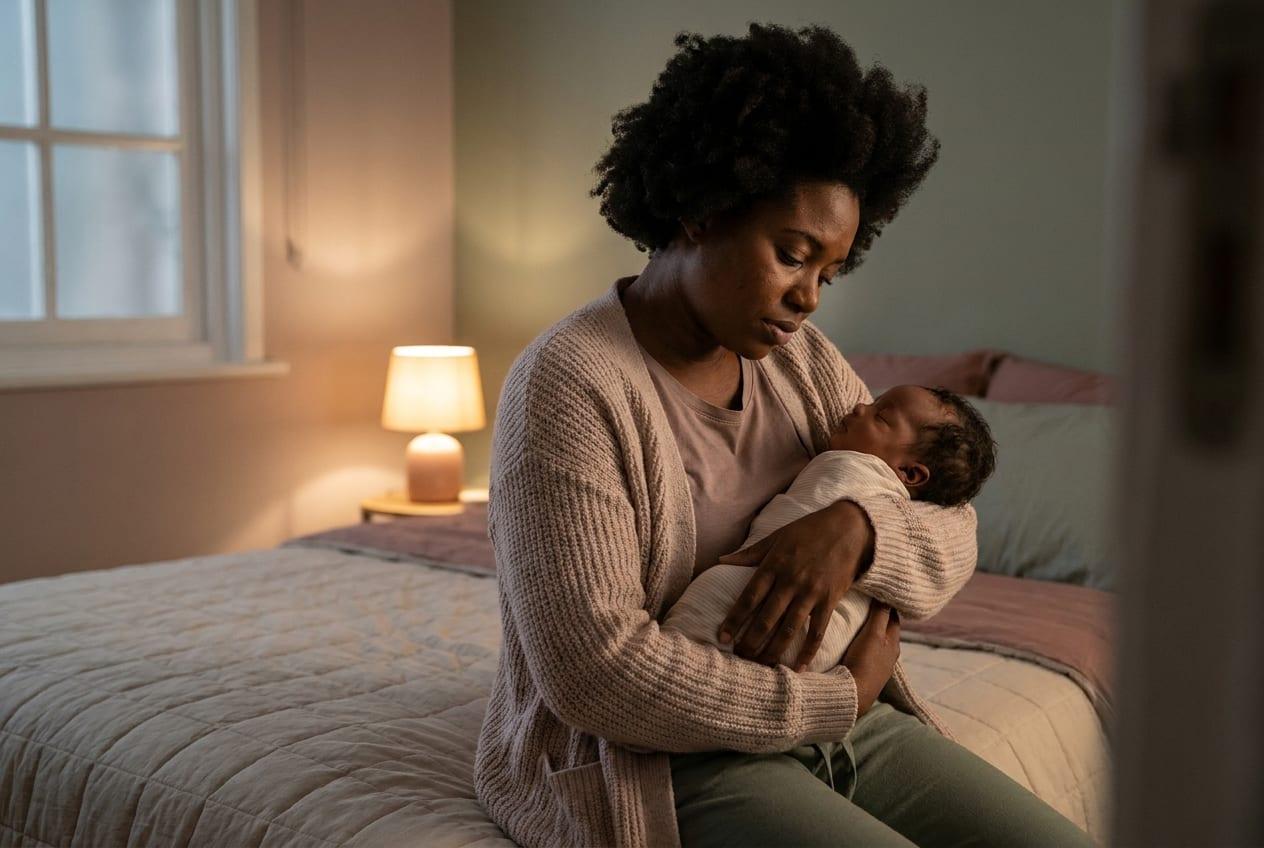
Maternity care is built around clinical moments: the scan, the check, the delivery, the discharge. What falls between those moments is the part mothers remember, and the part where too many are on their own.
The issue
What the numbers say
Every 2 minutes
a woman dies somewhere in the world from causes related to pregnancy or childbirth. Most of those deaths are preventable.
More than twice as likely
Black women in the UK are still more than twice as likely as white women to die during pregnancy or in the weeks after. In some recent reporting periods the gap has been four times or more.
More than 1 in 10
women develop postnatal depression in the year after giving birth. Many more struggle quietly and never tell anyone.
What mothers tell us
It isn't one big failure. It's a hundred small absences.
Nobody has time. Midwives and doctors are stretched. A mother may see a different face at every appointment and be asked to tell her story from the start each time.
Nobody explains.Decisions get made quickly, in language she doesn’t speak, at the moment she is least able to ask questions.
Nobody stays. Partners go back to work. Visitors come for the baby. The six-week check lasts minutes. Recovery, feeding and sleep are left for her to work out.
And it lands hardest on the same women. Black and Asian mothers, mothers on low incomes, mothers far from family, and mothers who have been through loss or trauma are the least likely to be heard and the least able to pay for extra help.
What the evidence says
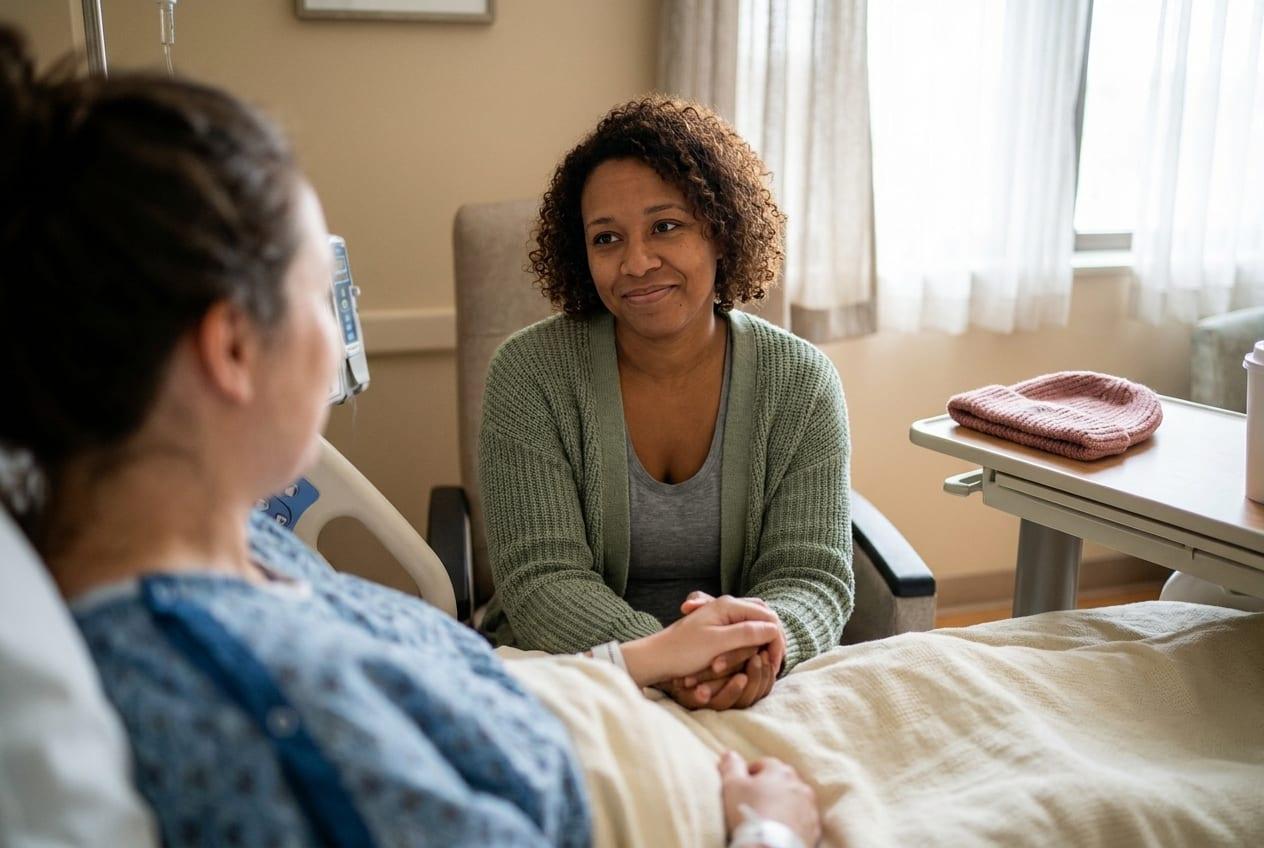
One steady person changes the outcome.
A Cochrane review pooled 26 trials covering more than 15,000 women in 17 countries. Women who had continuous support through labour were more likely to give birth vaginally without intervention, less likely to have a caesarean, had shorter labours, and were less likely to come away with negative feelings about their birth. The reviewers found no harms. Bohren et al., Cochrane, 2017
That is the work a doula does. Around her sits a wider circle of birth workers, from lactation consultants to antenatal teachers and postnatal carers, each filling a gap the system leaves.
So why doesn't every mother have this?
Because right now, this kind of support is something you have to know about and pay for.
Most birth workers are independent and most families pay out of pocket. The mothers with the most to gain are the least likely to be able to. DoulaOne.org exists to change who pays, who knows and who gets reached.